

Buying a Car in Japan — Guide for Military Families
What the process actually looks like, and where you genuinely need an interpreter versus where you can handle things on your own.

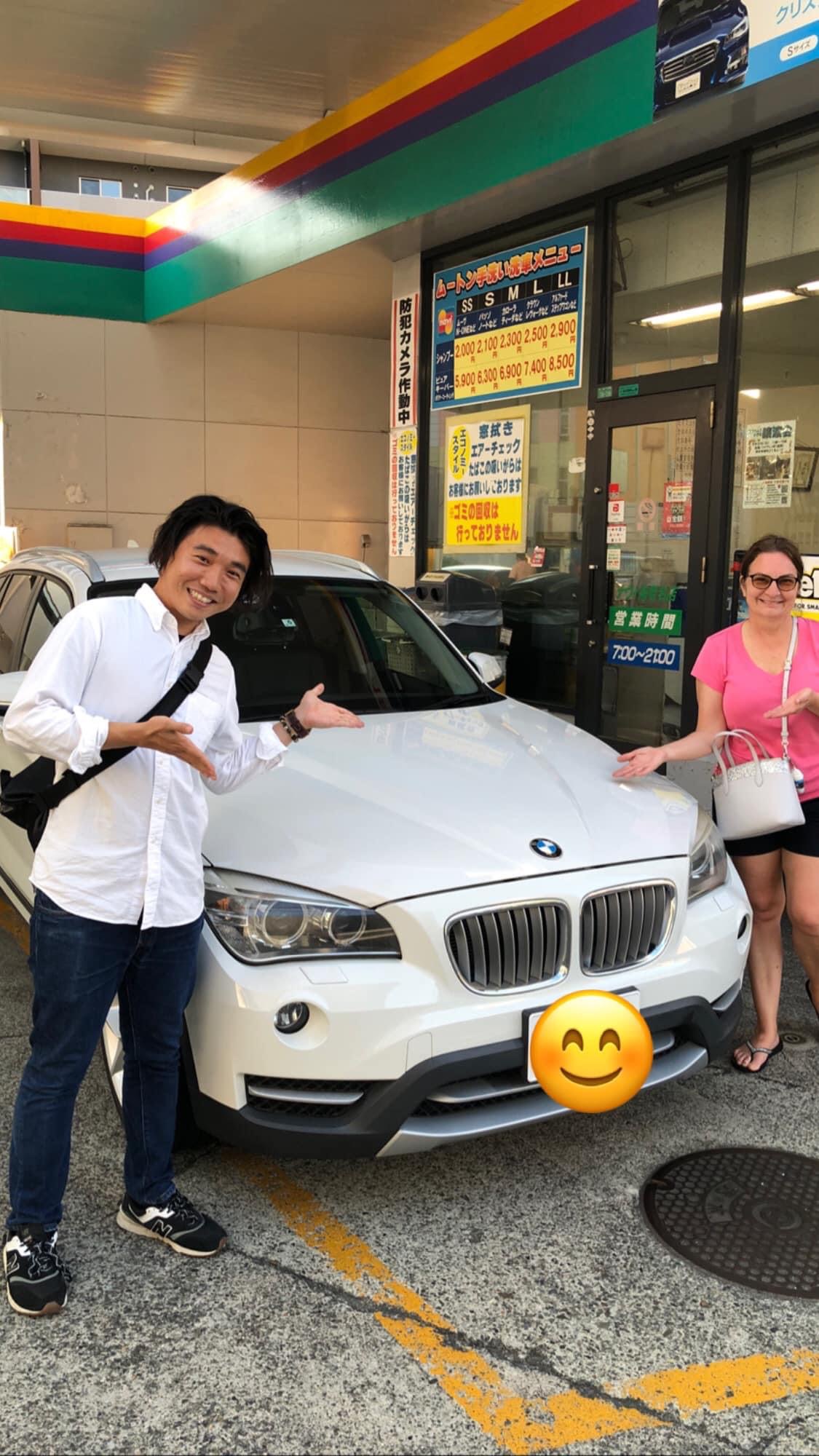
Meeting a client at the dealership — appointments are almost always worth booking ahead.
What does buying a car in Japan actually involve, step by step?
- Set your conditions. Budget, model, must-haves — this is where I start with every client, before we even look at a single car.
- Book an appointment. Most dealerships here are used car lots, and many aren't staffed unless someone's expecting you. Calling ahead beats just showing up.
- Check the car's actual status. New cars are simple. Used cars are more complicated — many aren't registered yet, or are still registered under the previous owner, which often means no test drive on public roads.
- Apply to purchase. If you need financing, this is when to contact your bank. SOFA members don't have a zairyu card, so Japanese bank auto loans aren't an option.
- Get your "worksheet." The registration paperwork you pick up from the VRO (Vehicle Registration Office) on base and send to the dealer.
- Sign the contract and pay.
- Sort out parking. A secured, contracted parking spot comes before you can apply for your shako shomei (parking certificate) at the police station.
- Delivery. The dealer handles final registration and hands you the keys.
Do I need an interpreter for every step?
No — and knowing which parts you can handle yourself saves you money, and saves my time for the parts that actually matter.
- Dropping off or picking up the car once paperwork is already finished
- Routine scheduled maintenance where nothing needs to be discussed
- Getting the repair explanation after service is done
- Signing a parking contract with a real estate agent
- Asking detailed questions about a used car's condition before you buy
- Any conversation where the discussion itself — not just the paperwork — is the point
Some dealers — especially official manufacturer dealerships — require an interpreter present for even the smallest interaction, purely to avoid any risk of miscommunication later. This isn't universal, but common enough that I'd confirm it with the specific dealer rather than assume. It's not required, but having an interpreter at the shako shomei application makes that visit noticeably smoother too.
Why do imported cars come with extra headaches?
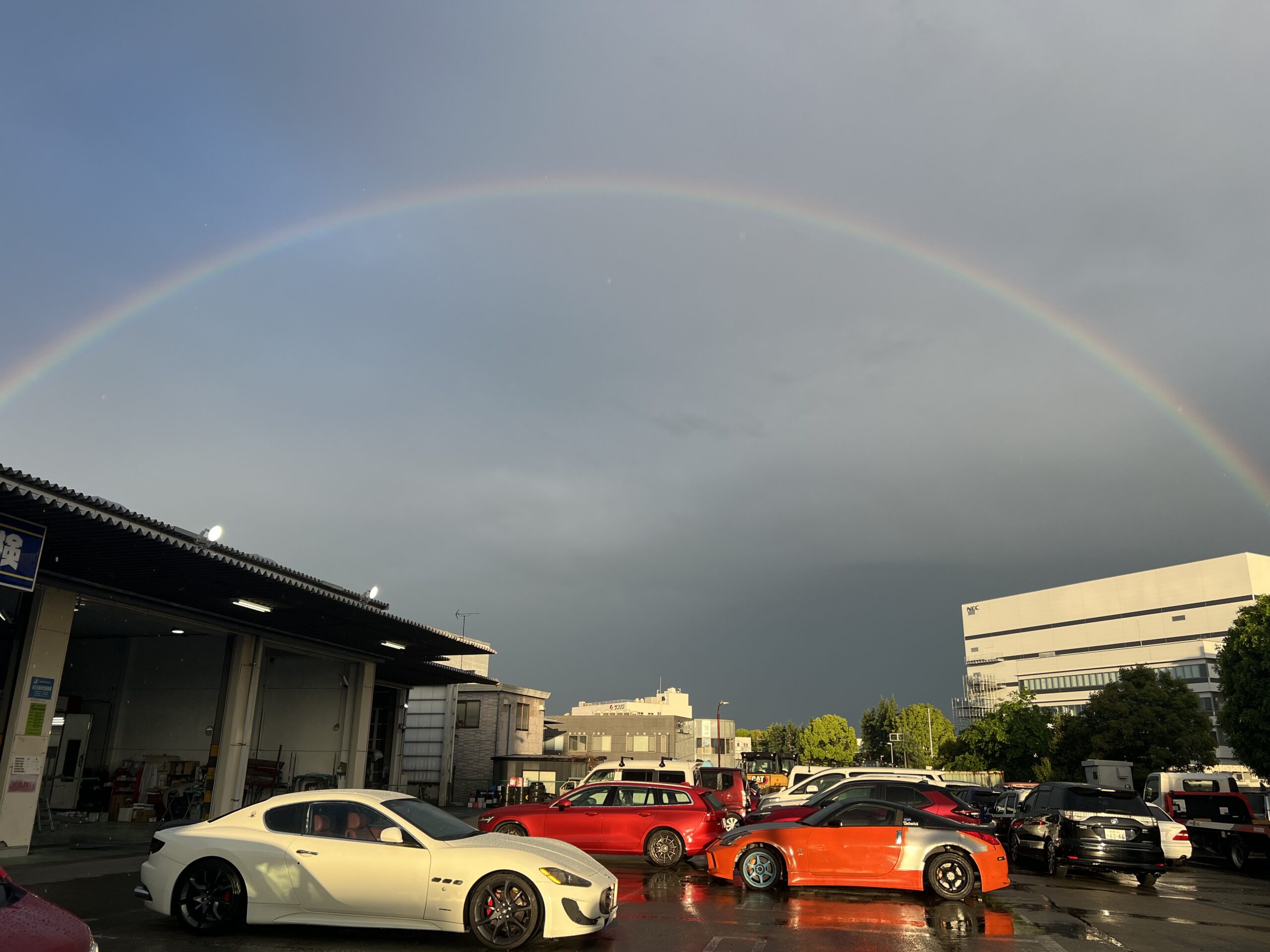
If you're eyeing a European import, know this going in: a lot of mechanics in Japan simply aren't equipped to work on them, and repair costs for imports tend to run higher here than you'd expect.
Over time I've built a list of mechanics in each area who handle a wide range of makes at a more reasonable price than you'd get going straight to an official dealer — this is one of the things I help clients with directly, import or not.
What trips people up about the worksheet and financing?
This is the single biggest surprise for most SOFA families: because you don't hold a zairyu card, Japanese bank auto loans are off the table. If financing is part of your plan, that conversation needs to happen with your bank early — ideally at the "apply to purchase" step, not after you've already picked out a car.
The worksheet itself — the document you pick up from the VRO (Vehicle Registration Office) on base and send to the dealer to complete registration — is a small step on paper, but dealers won't move forward without it, so it's worth getting sorted early rather than treating it as a formality.
What about parking and the shako shomei?
If you live off base, this is where things usually slow down. Renting a monthly parking spot almost always means dealing with a real estate agent in Japanese, and some agencies require a Japanese emergency contact before they'll rent to you at all.
The shako shomei process itself — the parking certificate you need from the police before the car can be registered — has enough steps of its own that it deserves its own guide. I've covered it in full detail here.
Why is buying through a dealer smarter than a private sale?
I've handled cases involving imported sports cars and everyday sedans alike, and the lesson is the same regardless of the car: a private sale or transfer between a SOFA member and someone off base is dramatically more complicated here than the equivalent transaction would be back in the US. The paperwork, the registration transfer, the liability questions — it adds up to a lot of extra labor for both sides.
Buying through a used car lot or an official dealer costs a bit more up front, but it saves you from nearly all of that complexity. In almost every case I've been part of, that trade-off has been worth it.
What do families wish they'd known beforehand?
The most common regret I hear is about parking — families who assumed finding a spot would be as simple as it was back home, then found themselves navigating a Japanese-only rental contract and an emergency-contact requirement they didn't see coming. If there's one thing to plan for before you start car shopping, it's this.